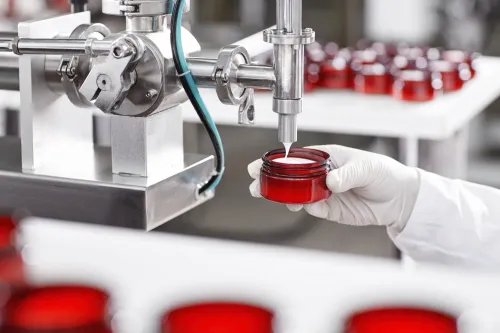
A third-party cosmetic manufacturer can become an important operational partner for a brand, distributor, wholesaler, or retail business. Once a product reaches the market, customers associate its quality entirely with the brand printed on the package, even though production is outsourced.
Asking detailed questions before finalising a Top Third Party Cosmetic Manufacturer in Delhi helps buyers understand capability, costs, responsibilities, and potential limitations.
What Products Do You Manufacture Regularly?
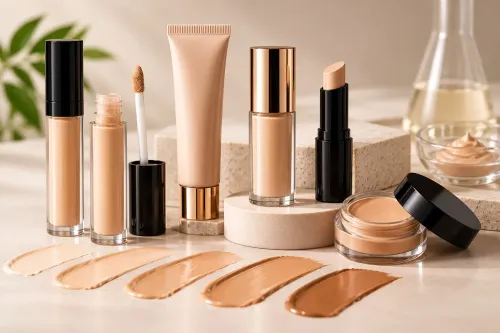
Begin by identifying the manufacturer’s active product categories. Regular manufacturing experience can be particularly important for colour cosmetics because shade control, filling, and packaging requirements vary between formats.
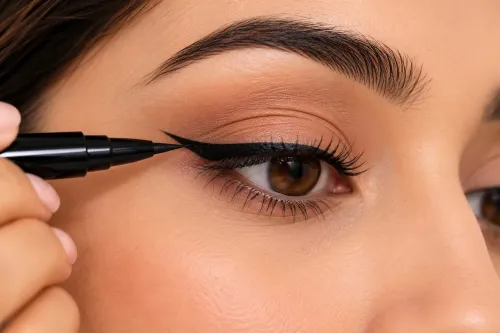
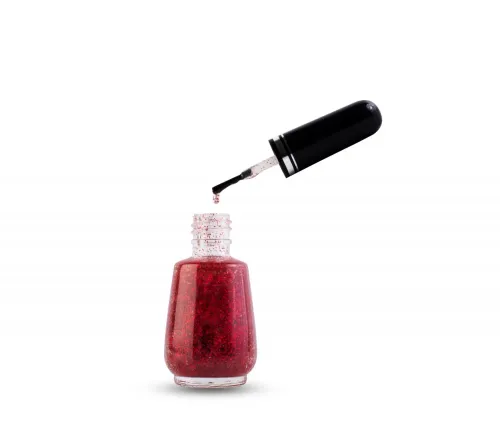
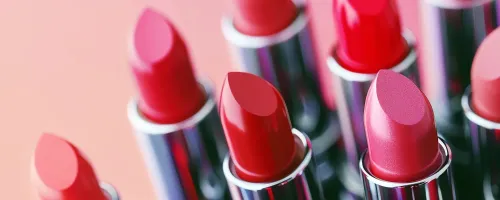
Ask whether the company handles the required lipstick, liquid lipstick, kajal, foundation, or other makeup category and whether buyers can choose from existing formulations or request modifications.
What Is the Minimum Order Quantity?
Minimum order quantity may apply per product, shade, container, or overall order. Obtain a written explanation rather than relying on a single headline number.
For a multi-shade range, ask:
- Can shades be combined within one order?
- Is there a minimum quantity for every colour?
- Do packaging suppliers impose separate quantities?
- Does the minimum change for repeat production?
- Are smaller pilot quantities available?
These answers directly affect inventory investment.
How Does Sampling Work?
Clarify how many sample stages are normally required, what changes can be requested, and whether sample costs apply. Ask how the final approval is recorded and used during commercial production.
Buyers should also establish whether the approved sample includes the final formulation, shade, fragrance, finish, applicator, and package. Approving only the formula without testing the final component can leave important issues unresolved.
What Packaging Support Is Available?
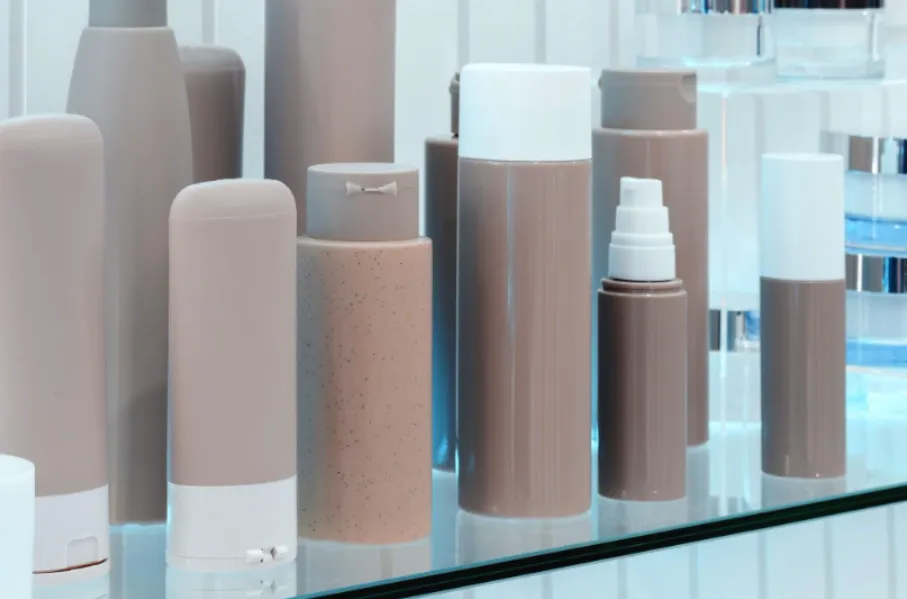
Find out whether the manufacturer supplies standard packaging, sources components, works with buyer-supplied packaging, or offers more than one arrangement.
Questions should cover:
- Available component styles
- Colour and decoration options
- Label or direct-print possibilities
- Outer carton support
- Packaging compatibility
- Lead time
- Replacement options if a component becomes unavailable
The packaging decision should support both product function and commercial positioning.
What Information Is Needed for Labels?
Manufacturers may provide certain production-related details, while the brand owner remains responsible for artwork and brand information. Roles should be clarified early.
Buyers should obtain appropriate regulatory advice concerning required declarations, claims, and presentation. Artwork should not go to print until the content, dimensions, orientation, and batch coding area have been checked.
What Is the Real Production Timeline?
Ask for a schedule that accounts for sample approval, packaging procurement, printing, manufacturing, filling, packing, and dispatch. A quoted production period may begin only after all materials and approvals are available.
Businesses planning seasonal launches or retailer commitments should include additional time for internal reviews and logistics.
How Are Quality Concerns Handled?
Understand the procedure for reporting shortages, damaged packaging, shade concerns, or other issues. Ask what records and evidence are required and within what period concerns should be raised.
Clear terms help both buyer and manufacturer respond efficiently if a problem occurs.
Sheeba Cosmetics India provides colour cosmetic manufacturing services to B2B buyers in Delhi. Businesses evaluating the company can use these questions to discuss product availability, customisation, quantities, packaging, sampling, timelines, and repeat production.
A manufacturer should be selected only after the buyer understands what is included, what remains the brand’s responsibility, and how the approved product will move from sampling to repeatable production. Detailed questions at the beginning create clearer expectations and a more dependable working relationship.
Keywords