A salon can lose more through slow replenishment, inconsistent application and dead shades than it saves on a low bottle price. By comparing local suppliers on usable-service cost, testing samples under real salon conditions and checking private-label obligations, you can decide whether Delhi sourcing improves your margins and client experience.
Key takeaways
- Use smaller Delhi orders to match shade demand and protect cash flow.
- Compare manufacturer batch control, minimum order quantities and delivery terms with distributors.
- Test drying time, coverage, brush control, chipping and bottle stability before client use.
- Choose private label for differentiation; buy ready-made shades when speed matters most.
How Delhi sourcing changes replenishment, cash flow and daily operations
Local Delhi sourcing can turn replenishment from a large, infrequent purchase into smaller orders timed to actual demand.
A nail polish supplier for salons in Delhi may help you restock popular nude, red, bridal and festival shades before Delhi NCR wedding and festival peaks, reducing cash tied up in slow-moving colours and shades that become obsolete.
Use this purchasing procedure:
1. Run a pilot order and record the promised MOQ, lead time, order cut-off, batch-allocation policy and replacement terms. Local access makes sampling, artwork corrections, shade matching and factory meetings easier, but it does not guarantee faster delivery, lower MOQs or better quality.
2. Set reorder quantities from service records. Buy more of proven bridal reds before wedding season, but keep experimental glitter or seasonal colours in smaller lots until demand is clear.
3. Calculate usable cost, not bottle price: purchase cost plus tester waste, dried bottles, duplicate shades, correction time, stockout disruption and unusable slow-moving inventory, divided by bottles that remain serviceable.
4. Check whether a late or inconsistent batch creates extra labour. A stockout can force shade substitutions; a thickened bottle can slow application; a duplicate shade can occupy cash and storage without adding a sellable service.
5. Put the replenishment promise in writing, including batch consistency, delivery date, shortage handling and replacement for leakage, drying or incorrect shade. A nearby supplier is valuable only when the operating terms work.
How to compare a salon-focused manufacturer with a distributor
Choose a nail polish manufacturer for salons in Delhi when you need control over formulation, packaging or shade development; choose a distributor or retail wholesaler when ready-made shades and immediate resale matter more.
| Option | Best fit | Trade-off |
|---|---|---|
| Manufacturer | Custom shades, bottle and brush choices, salon specifications, batch support | MOQ, sample approvals and development lead time |
| Distributor or retail wholesaler | Ready-made shades, smaller opening orders, simpler reordering | Limited customisation, fixed packaging and less technical support |
Compare landed cost per usable service, not price per bottle. A smaller fill, three coats for opacity, slow drying, brush wastage, leakage, corrections and bottles discarded after thickening can make a cheap formula expensive.
Request these details before ordering:
- Sample fee, retained physical samples and shade tolerance against the approved master.
- Batch records covering appearance, viscosity, drying behaviour, fill quantity, brush performance, leakage and packaging compatibility.
- MOQ, order cut-off time, lead time, batch-allocation policy and reordering terms.
- Replacement rules for leakage, thickening, shade drift or damaged brushes.
- Support when the formula behaves differently during salon service, including correction guidance and investigation.
- A service trial recording coats for opacity, drying time, correction rate and brush spread.
A distributor suits predictable, fast-moving shades. A manufacturer earns its higher coordination cost when consistent customisation or technical troubleshooting protects service quality.
How to test nail polish before it reaches a client’s hands
Run each sample as a real service on different nail types and with at least two technicians. A screen or shade card cannot reveal brush control, coat time, flooding or removal effort.
1. Use short and long nails, plus smooth, ridged and flexible natural nails. Each technician applies the same shade and records application time, brush spread, streaking and whether the brush floods the cuticle or leaves unpainted side edges.
2. Record opacity after one coat and two coats. Mark the formula as sheer, opaque, glitter or quick-service; a sheer shade needs different service-time expectations from a one-coat opaque shade, while glitter needs checks for even particle distribution.
3. Measure drying time between coats with the same timer and test the chosen top coat. Note dragging, dulling, bubbling or loss of glitter, because an incompatible top coat creates rework after the client leaves.
4. Remove the polish using your normal remover and record removal time, staining and residue. Photograph each result, then inspect the same nails over several days for separation, edge wear and chips.
Approve a custom shade against a retained physical master sample, not a formula name or digital colour. Keep the master with the shade code and acceptance date.
Ask the supplier for batch results covering appearance, shade match, viscosity, drying behaviour, brush performance, fill quantity, leakage and packaging compatibility. Compare the next batch with the retained sample before releasing it for client services.
When private label creates value—and when ready-made shades are safer
Ready-made shades are safer when you need proven service performance, low volumes and quick replenishment. Private label nail polish in Delhi creates value when a salon can support a retail brand, maintain shade availability and use exclusive colours to encourage repeat purchases.
A salon-owned range gives you control over shade names, colour selection, bottle shape, brush, cap, wiper and packaging artwork. A well-designed retail pack can turn a treatment shade into an additional sale.
The trade-off is extra work: artwork preparation, barcode assignment, label review, minimum order quantities, approval rounds, retained samples and the risk of unsold or discontinued stock.
Use this pilot process before committing:
1. Give the nail polish OEM manufacturer in Delhi a written specification covering opacity, viscosity, drying speed, gloss, shimmer loading and chip resistance.
2. Approve colour against a retained physical master sample, not a screen image or formula name. Test one and two coats, brush spread, drying behaviour, leakage, fill quantity and removal.
3. Re-test every revision. Changing viscosity or drying speed can alter stability and compatibility with the bottle, cap, brush and wiper.
4. Put approved specifications, artwork, lead time, batch tolerances and replacement terms into the order record.
A discussion with SHEEBA COSMETICS INDIA is useful only if the pilot documents those points rather than treating Delhi access as a delivery or quality guarantee. Choose ready-made stock if the supplier cannot show disciplined approvals and retained-sample control.
Related products
 | Nail Polish Sheeba Cosmetics Sheeba Cosmetics offers premium quality Nail Polish Lacquer designed to give nails a smooth, glossy, and long-lasting finish. View product → |
 | Nail Polish Sheeba Cosmetics Sheeba Cosmetics offers a vibrant range of ColorFul Nail Polish designed to give your nails a bright, stylish, and attractive look. View product → |
What to verify before placing the first order
Before accepting stock, verify the label, licence, batch traceability and storage conditions—not just the shade and bottle.
- Ingredient list matching the approved formula
- Physical shade sample, checked against the retained master
- Batch or lot number in a consistent, traceable format
- Manufacturing date
- Expiry date or period-after-opening marking
- Net quantity
- Usage directions
- Storage instructions
For a private-label pack, obtain written confirmation of these declarations:
| Check | What to confirm | Why it matters |
|---|---|---|
| Product identity | Product name, manufacturer name and address | Prevents unclear responsibility |
| Manufacturing status | Actual manufacturing site and applicable licence or loan-licence details under the Cosmetics Rules, 2020 | A sales office or trader is not proof of licensed manufacture |
| Shelf life | Use-before or expiry declaration for the selected pack size and product category | Artwork rules can change with the pack and category |
| Tax classification | HSN 3304 and GST against the current CBIC schedule | Conventional lacquer, gel systems, removers and kits may classify differently |
Use IS 9245 as a technical benchmark for nail enamel, then request batch-release evidence showing that the supplied polish matches the agreed specification. The standard alone does not prove every batch passes.
Store conventional lacquer tightly closed, away from flames, sparks and excessive heat. Keep ventilation in both the stockroom and application area; volatile solvents can create vapour and flammability hazards even when the supplier is nearby.
Frequently asked questions
How can Delhi sourcing improve a salon’s replenishment and cash flow?
Buying locally can support smaller, more frequent orders aligned with actual shade demand, reducing stock held between purchases.
What should salons compare between a manufacturer and a distributor?
Compare minimum order quantity, shade customisation, batch documentation, lead time, pricing, delivery terms and support for repeat orders.
How should a salon test nail polish before using it on clients?
Apply samples to practice nails and check coverage, drying time, brush control, streaking, chipping, colour consistency and bottle condition.
When is private label nail polish a better choice than ready-made shades?
Private label suits salons building a distinct brand and ordering enough volume for custom packaging; ready-made shades suit faster launches and lower commitment.
What should salons verify before placing their first nail polish order?
Verify the supplier’s business and manufacturing details, product and batch information, ingredient or safety documents, sample results, minimum order and delivery terms.
Related products
 | Nail Polish Nail Polish Color – Sheeba Cosmetics Sheeba Cosmetics offers a premium collection of Nail Polish Colors designed to enhance the beauty of your nails... View product → |
 | Nail Polish & Lipstick – Sheeba Cosmetics Sheeba Cosmetics offers a premium range of Nail Polish & Lipstick designed to enhance your beauty with vibrant colours,... View product → |
 | Nailpaint Nailpaint Manufacturing at Sheeba Cosmetics T-2/199, Mangolpuri Industrial Area, Phase-1, New Delhi – 110083 Overview Located in the heart of Delhi’s... |
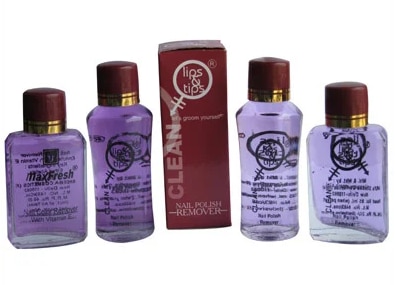 | Nail Polish Sheeba Cosmetics Sheeba Cosmetics offers high-quality Nail Polish Remover designed to quickly and effectively remove nail polish while keeping nails... View product → |
Keywords