A Delhi beauty brand must compare more than an OEM’s per-unit price: minimum order quantities, shade count, packaging commitments, testing, freight and unsold stock can decide whether outsourced production makes or loses money. By the end, you will be able to compare manufacturing routes, calculate the fully loaded cost and judge whether a first order has enough margin and demand to justify the risk.
Key takeaways
- Use third-party production after demand is validated and the SKU range stays narrow.
- Include formulation, compliance, packaging, freight, testing and rework in total cost.
- Negotiate MOQ by shade count, forecast repeat orders and calculate break-even volume.
- Approve samples, specifications, batch records and packaging before authorising production.
Which production route gives a Delhi brand the strongest economics?
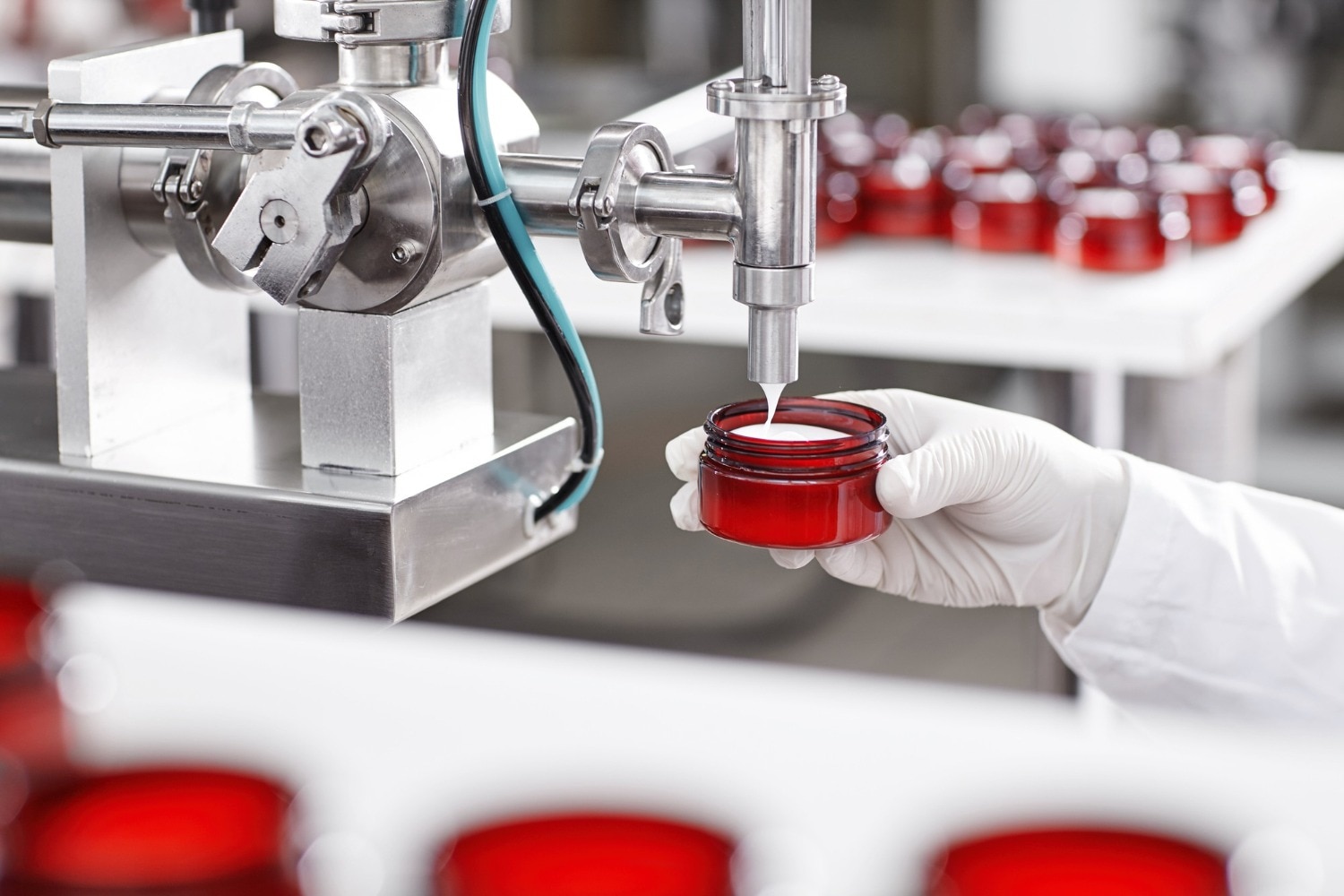
For most Delhi brands, third-party production gives the strongest economics after demand is validated, the launch uses a narrow SKU range and the manufacturer can reproduce each product on repeat orders. It provides formulation expertise, compliant production, filling and packaging without your paying for premises, equipment, staff, utilities and ongoing quality systems.
| Option | Economic advantage | Main cost or limitation |
|---|---|---|
| Third-party manufacturer | Converts fixed facility costs into a production charge and supports faster, compliant launches | Less attractive for many custom shades, bespoke components and a small first run |
| In-house facility | Gives maximum control and can lower unit cost at sustained high volume | Requires capital, licensing, trained personnel, validation, maintenance and a long setup period |
| Distributor finished stock | Launches fastest without formulation or development work | Less control over formula, packaging, exclusivity, shade selection and reorder availability |
The practical test behind “is third party beauty manufacturing worth it in delhi” is repeatability, not the cheapest prototype. A search for “outsourced beauty production india” should end with a partner that documents deviations, retains samples and supports controlled reorders.
Delhi manufacturing may mean Noida, Ghaziabad or Faridabad, or a North Indian site in Baddi or Haridwar. Compare the licensed premises, freight, lead time and manufacturing licence rather than the registered office address. In-house production wins only when volume can absorb its fixed costs; distributor stock wins when speed matters more than differentiation.
Otherwise, outsourced production offers the better risk-adjusted route.
What is the fully loaded cost of making beauty products in Delhi?
A ₹40 quoted unit can become a ₹75 landed unit after packaging, testing, freight, GST and unsaleable losses. Map beauty brand manufacturing costs in Delhi line by line before approving third party beauty products in Delhi.
| Cost view | Includes | Use it for |
|---|---|---|
| Quoted formula price | Formula or adaptation, sometimes filling | Initial comparison only |
| Landed saleable unit | All production costs, freight, GST, rejects and usable output | Supplier comparison |
| Retail contribution | Landed cost, marketplace commission, distributor deduction, customer shipping and storage | Margin decision |
Require separate prices for formulation or formula adaptation, laboratory samples, raw materials, primary packaging, cartons and labels, shade matching, artwork, stability or compatibility testing, microbiological or other product testing, regulatory document preparation, filling, packing, batch release, freight, GST, warehousing and rework.
Ask whether the quote includes overfill, line losses, rejected units, retain samples, testing repeats, tooling, decoration, component colour matching and payment-related charges. Also request the batch basis, pack size, net saleable quantity, MOQ per formula or per shade, packaging quantity, lead time, payment schedule and treatment of damaged or short-delivered stock.
Custom moulds, imported components, printed cartons and decoration can create a larger cash commitment than the formula. Compare landed cost per saleable unit, not ex-factory price; then add marketplace commissions, distributor deductions, customer shipping and storage before calculating retail margin. A low unit quote is meaningless if half the packaging remains unpaid inventory.
How do MOQ, shade count and break-even volume change the decision?
A “1,000-unit MOQ” can look manageable until it applies to every shade. Ten lipstick shades can mean ten batches, shade approvals, filling checks, retain samples and separate inventory pools—not one 1,000-unit lipstick order.
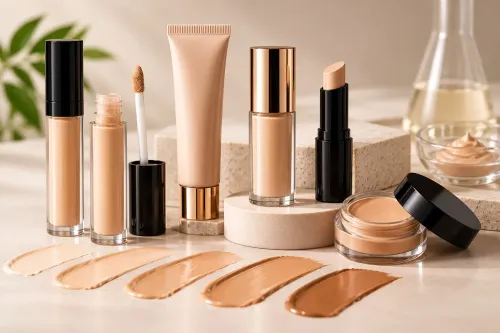
1. Confirm what the MOQ measures. Ask whether it applies per formula, shade, component or production run. For planning only, compare one foundation shade in stock packaging with six foundation shades, or twelve lipstick shades in custom cartons. A pressed-powder range can multiply exposure again because each pan needs its own shade stock.
2. Price the packaging commitment separately. Stock components with labels or stickers can reduce upfront cash, although they offer less shelf differentiation. Custom moulds, printed cartons, decoration, colour matching and imported components can force purchases larger than your first sales run, sometimes making packaging a bigger cash commitment than the formula.
3. Calculate break-even units: fixed launch costs divided by contribution per saleable unit. Contribution equals net selling price minus formula, packaging, testing allocation, freight, fulfilment, marketplace or distributor deductions and expected wastage.
4. Test cash flow, not only margin. Record the deposit, balance-payment date, inventory-age limit and months until the next reorder. A launch is not viable if minimum orders leave cash locked in slow-moving shades.
These checks reveal the real beauty brand manufacturing costs in Delhi. They also answer “is third party beauty manufacturing worth it in Delhi”: proceed when staged purchasing and repeat sales recover the cash before stock ages.
What must happen between the brief and dispatch?
A saleable batch needs a controlled sequence, not just a good laboratory sample. For outsourced beauty production India brands, use this order:
1. Write the product brief, target price and claims; select or develop the formula, then approve a laboratory sample. A technically acceptable sample is not commercial approval.
2. Approve shades and packaging, then run pilot, compatibility and stability checks using the final formula in the final commercial pack. Check Delhi heat risks: lipstick sweating, foundation viscosity change, emulsion separation, fragrance loss, wax bloom and colour migration.
3. Procure components, manufacture the batch, fill, pack, complete quality release and dispatch. Do not release stock until the approval pack identifies the master formula, raw-material and packaging specifications, approved artwork, batch records, batch number, net quantity, retain-sample process, certificate of analysis where applicable, and stability or compatibility evidence.
Put numerical acceptance limits in the specification: shade drift by ΔE, pigment dispersion, broken powders, crumbling pans, mascara clumping, leaking tubes, lipstick breakage, and pump or wiper compatibility. “Looks acceptable” cannot control a reorder.
Before artwork approval, identify the licensed premises, licence number, permitted product category, manufacturing or loan-licence route, and party controlling batch release under the Cosmetics Rules, 2020. Check ingredients, manufacturer details, batch, net contents, expiry or use-before date, warnings and consumer contact details against those Rules and the Legal Metrology (Packaged Commodities) Rules, 2011.
How should you choose an OEM and approve the first order?
Choose an OEM by repeatability and landed margin, not by the cheapest prototype. Ask every candidate to complete the same quotation template, then score the answers.
| Scorecard item | Ask for | Red flag |
|---|---|---|
| Formula ownership | Written ownership and permitted changes | Unclear rights after development |
| Samples | Revision limit and approval record | Unlimited revisions promised verbally |
| MOQ and components | MOQ per formula, shade, run; component source | Packaging bought separately |
| Testing and release | Test scope, batch-release documents and retain samples | No defined release pack |
| Commercial terms | Payment milestones, lead time and reorder pricing | Full payment before production |
| Quality failures | Deviation process and replacement policy | No remedy for rejects or shortages |
Check claims such as “long-lasting,” “waterproof,” “dermatologically tested,” “non-comedogenic,” “organic” and “clean” against the actual formula, product category, test method and report. Your brand remains exposed to those claims even when the OEM supplied the wording.
For a Delhi or NCR candidate, including SHEEBA COSMETICS INDIA, request the licensed manufacturing-site address, licence number, permitted product categories and batch-release responsibility. Inspect approval documents, then ask how the team reproduces shades, stores retain samples, handles failures and prices reorders.
Run a controlled first launch: fewer shades, stock components and staged purchasing. Reorder only after sell-through, defects and returns are known.
The question “is third party beauty manufacturing worth it in delhi” has a direct answer: third party beauty products in delhi are worth it when repeatability, compliance, landed margin and cash recovery work together; the lowest prototype price alone proves nothing.
Related products
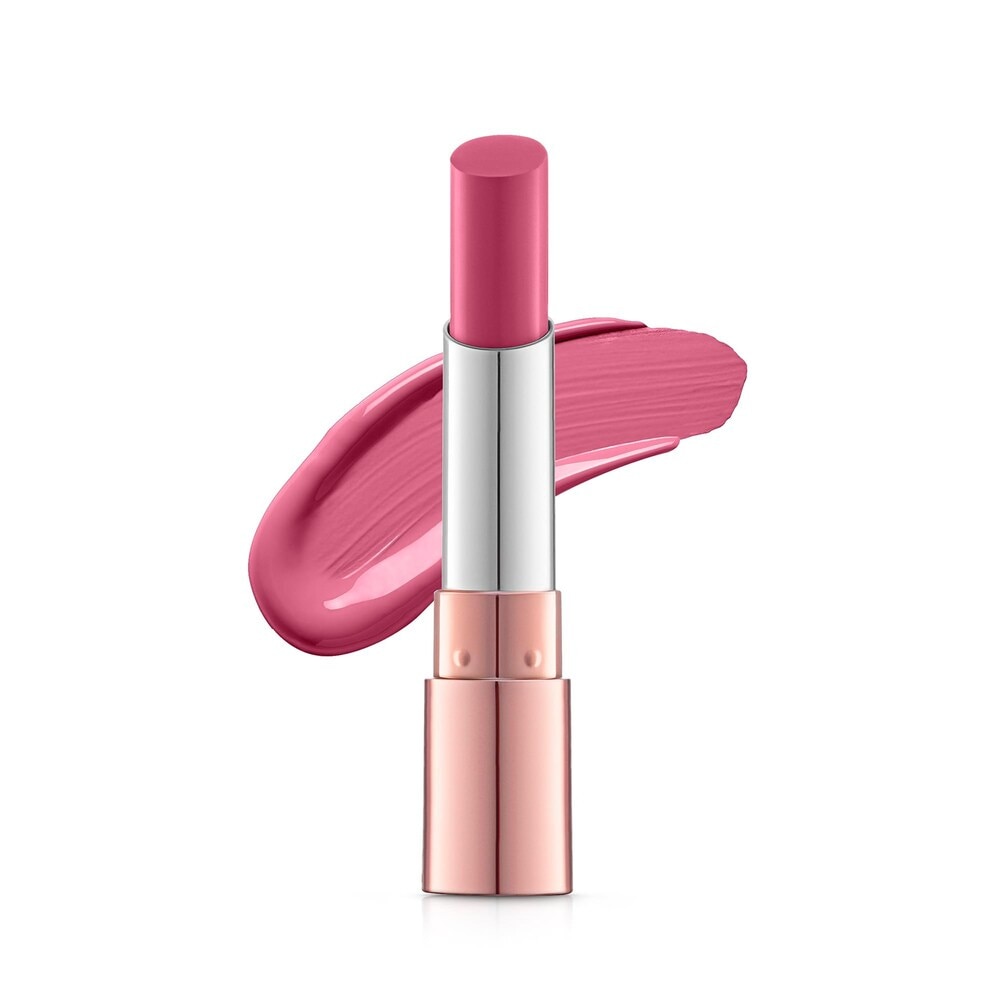 | Third Party Makeup Manufacturer Third Party Makeup Manufacturer Third Party Makeup Manufacturer in Delhi – Sheeba Cosmetics Sheeba Cosmetics is a trusted Third Party Makeup Manufacturer in Delhi, offering... View product → |
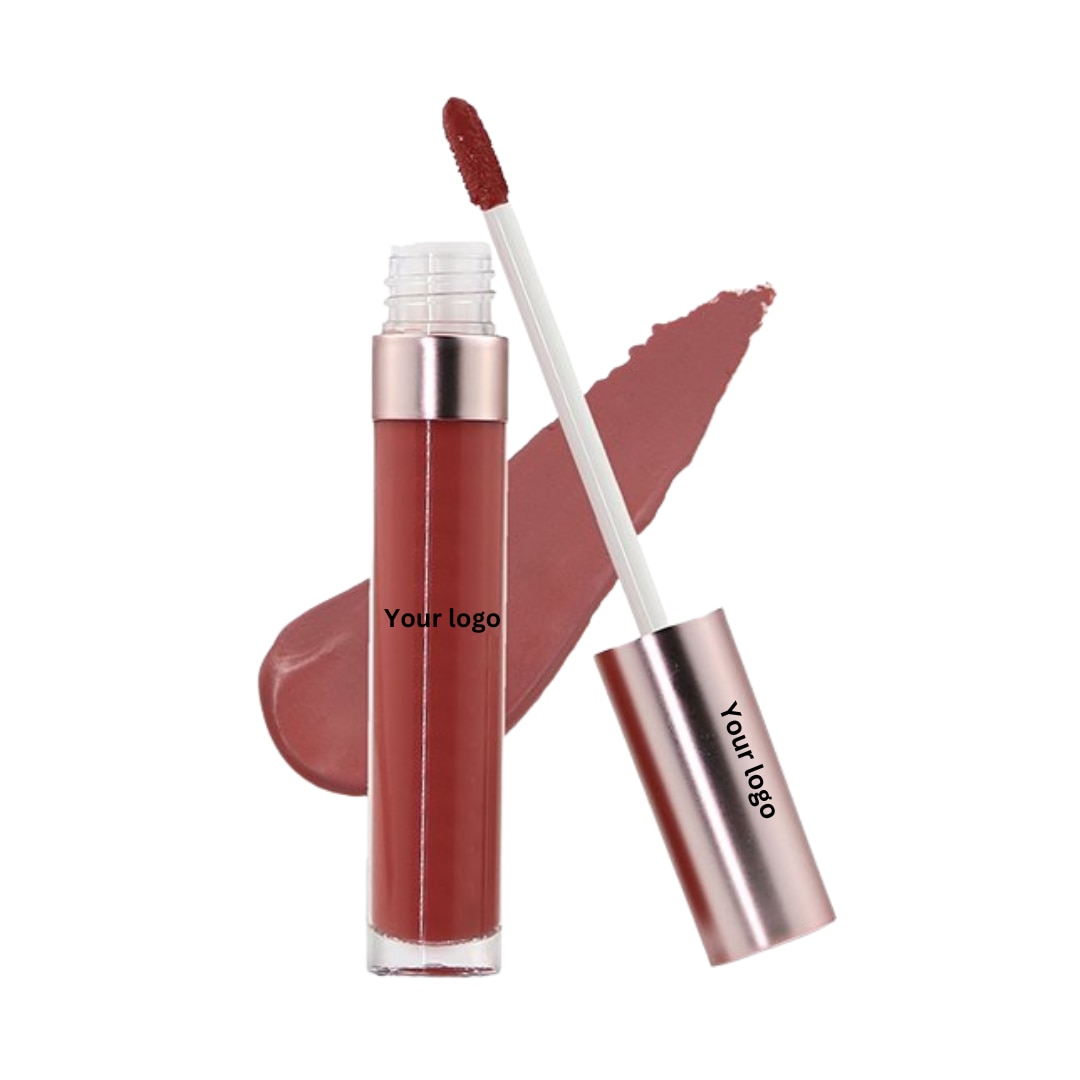 | Third Party Cosmetic Production Services Third Party Cosmetic Production Services Third Party Cosmetic Production Services in Delhi – Sheeba Cosmetics Sheeba Cosmetics is a trusted provider of Third Party Cosmetic Production... View product → |
Frequently asked questions
Which production route gives a Delhi brand the strongest economics?
Third-party production usually offers the strongest economics after demand is validated, the launch has a narrow SKU range and the manufacturer can reproduce products consistently.
What is the fully loaded cost of making beauty products in Delhi?
Calculate more than the unit price: include formulation, raw materials, filling, packaging, testing, compliance, freight, samples, tooling, wastage and rework.
How do MOQ, shade count and break-even volume change the decision?
A higher shade count ties up more inventory and increases the minimum order commitment. Compare the full launch investment with your expected contribution margin to find break-even volume.
What must happen between the brief and dispatch?
The process should cover the product brief, formulation, sample approval, specifications, packaging checks, production, quality release, documentation and dispatch.
How should you choose an OEM and approve the first order?
Check the OEM’s licence documents, sample consistency, quality process, batch traceability, communication and repeat-order capability. Approve the formula, shade, pack, artwork and pre-production sample before placing the first order.
Related products
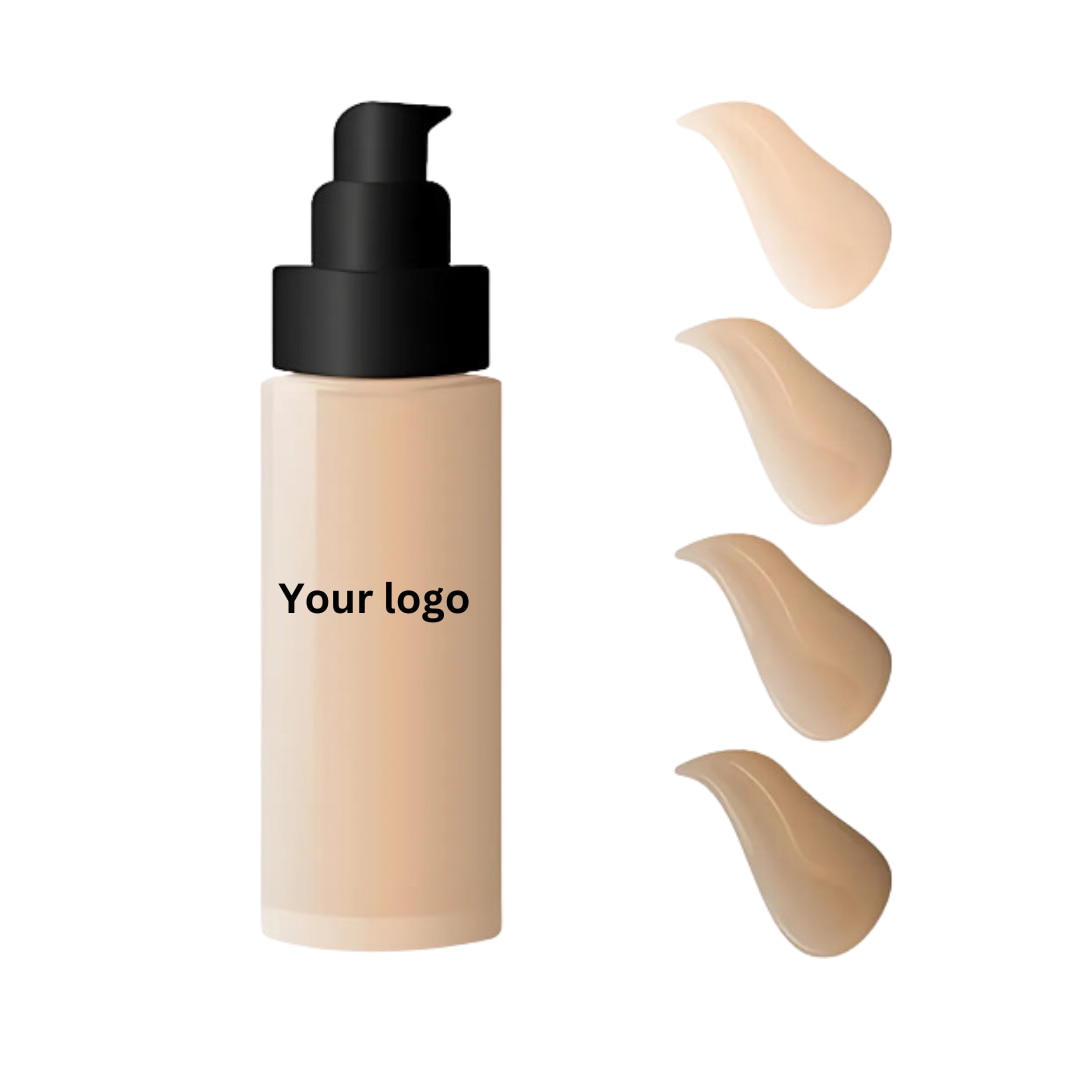 | Third Party Colour Cosmetics Manufacturer Third Party Colour Cosmetics Manufacturer Third Party Colour Cosmetics Manufacturer in Delhi – Sheeba Cosmetics Sheeba Cosmetics is a trusted Third Party Colour Cosmetics Manufacturer in... View product → |
 | Third Party Beauty Product Manufacturer Third Party Beauty Product Manufacturer Third Party Beauty Product Manufacturer in India – Sheeba Cosmetics Sheeba Cosmetics is a trusted Third Party Beauty Product Manufacturer in India,... View product → |
 | Start Your Own Cosmetic Brand Start Your Own Cosmetic Brand in India with Sheeba Cosmetics Starting your own cosmetic brand in India has never been easier. View product → |
Keywords