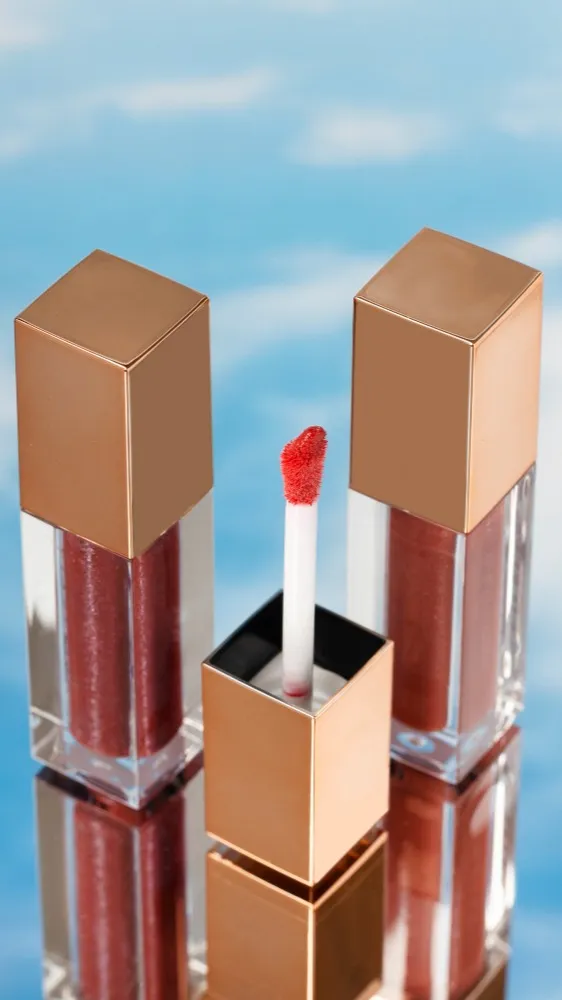
Liquid lipstick remains an important category for cosmetic brands because it combines strong visual appeal with multiple possibilities for shade, finish, applicator, and packaging design. At the same time, small differences in texture, drying, comfort, and component performance can significantly affect customer reviews.
A structured evaluation can help businesses identify a suitable Private Label Liquid Lipstick Manufacturer in Delhi.
Confirm the Desired Formula Experience
Before requesting samples, define what the product should feel like during and after application. Broad descriptions such as premium matte or long-lasting are not detailed enough for development and selection.
The brief can specify:
- Pigmentation level
- Fluidity or thickness
- Application time
- Drying time
- Matte, soft-matte, glossy, or other finish
- Comfort expectations
- Layering behaviour
- Fragrance preference
- Removal method
- Intended retail segment
Trade-offs may exist. For example, a faster-setting product may require more precise application, while a creamier texture may behave differently during wear. Samples should be evaluated according to the brand’s priorities.
Inspect the Applicator
The applicator influences how customers experience liquid lipstick. Its shape, flexibility, size, and product pickup should suit the formulation.
During evaluation, check whether the applicator:
- Picks up an appropriate amount
- Reaches the product inside the container
- Supports accurate outlining
- Spreads colour evenly
- Feels secure in the cap
- Returns smoothly through the wiper
- Avoids excessive product buildup
A visually attractive package can still perform poorly if the wiper and applicator are not compatible with the formula.
Check the Closure and Container
Liquid lip products need secure packaging to reduce leakage and drying. Test the cap, neck, stopper, wiper, and container under normal use.
Samples can be placed upright and horizontally to observe potential leakage. Buyers should also assess whether the branding surface scratches easily and whether the container is suitable for courier and distributor handling.
Build a Data-Led Shade Range
New brands sometimes launch too many shades because a large assortment appears competitive. This approach can spread investment across slow-moving stock.
A stronger strategy is to select shades based on customer profile, retail feedback, competitor gaps, and planned marketing. The range may combine:
- Commercial nude shades
- Pink and mauve tones
- Reds
- Browns
- Deeper shades
- A small number of distinctive colours
Minimum quantity and reorder terms should be calculated for each shade.
Review Documentation and Commercial Terms
Before approving production, request clarity regarding:
- Final formula reference
- Shade codes
- Order quantity by colour
- Packaging specification
- Branding method
- Production timeline
- Packing arrangement
- Payment terms
- Dispatch responsibility
- Repeat-order process
Written approvals reduce the risk of misunderstandings between sample development and bulk production.
Look for Practical Readiness Indicators
A business is generally more prepared to place an order when it has finalised the customer segment, target price, shade list, approved sample, packaging artwork, quantity, and sales channel.
Sheeba Cosmetics India works with startups, brand owners, wholesalers, and other B2B buyers seeking private label liquid lipstick manufacturing in Delhi. Buyers should compare the company’s available options with their formula expectations, order volume, packaging plan, and launch schedule.
The right manufacturing decision is based on the entire product system. Formula performance, shade relevance, applicator quality, packaging security, production clarity, and replenishment planning should all be satisfactory before a commercial order is confirmed.
Keywords