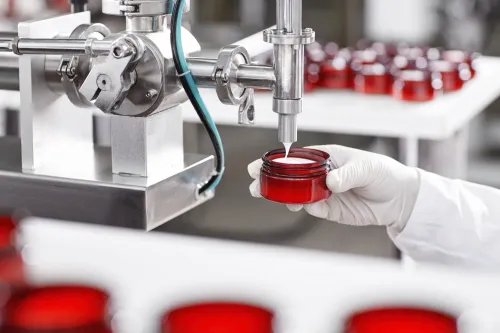
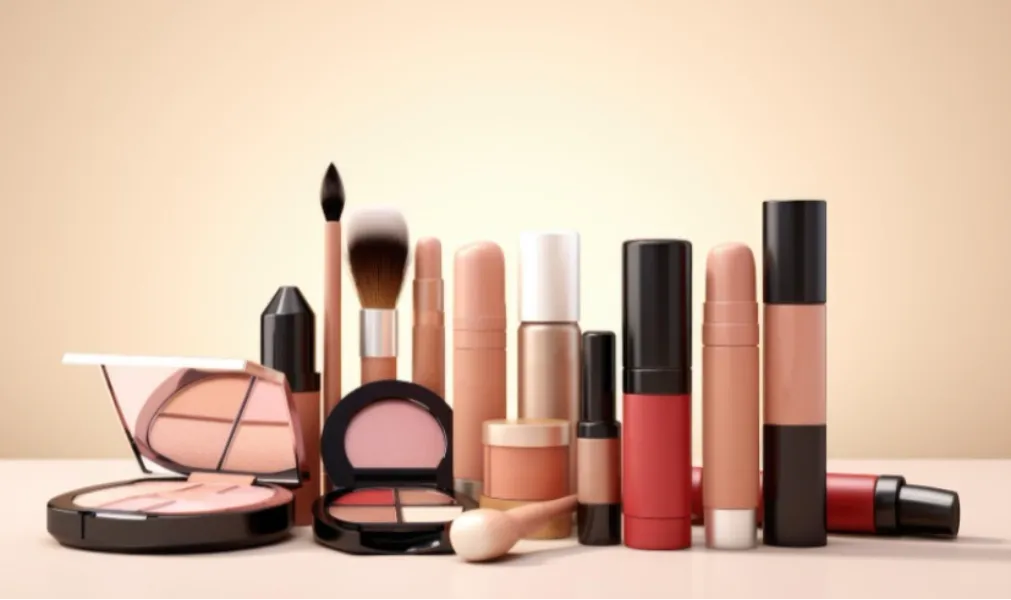
Third-party manufacturing enables a cosmetic business to outsource production while selling products under its own brand. It can reduce the need for manufacturing infrastructure, specialised equipment, production staff, and day-to-day factory management.
However, identifying the Best Third Party Makeup Manufacturer in Delhi requires more than comparing product lists and unit prices. The right provider should fit the buyer’s product strategy, order size, quality expectations, packaging needs, and launch schedule.
Assess Relevant Product Capability
A manufacturer may offer several cosmetic categories but have stronger experience in particular formats. Buyers should evaluate whether the provider regularly handles the products required for the proposed range.
Ask about:
- Available colour cosmetic categories
- Ready-developed and custom options
- Shade development capability
- Packaging formats
- Sample process
- Minimum quantities
- Production capacity
- Experience with repeat orders
Relevant capability is more important than an extremely broad catalogue.
Examine Samples Methodically
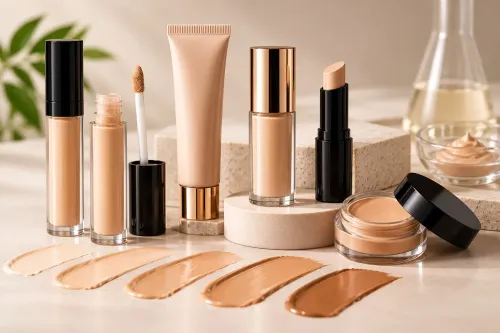
Samples should be reviewed against written criteria. A buyer evaluating lipstick may examine glide, colour payoff, finish, comfort, and bullet stability. A foundation requires assessment of shade, undertone, blending, coverage, and packaging performance.
Avoid approving a sample based on appearance alone. Test the complete customer experience, including opening, application, storage, and removal.
Where several stakeholders are involved, consolidate feedback through one authorised contact. This helps the manufacturer receive precise and consistent instructions.
Compare Quotations on Equal Terms
A low quotation may exclude packaging, printing, cartons, development, freight, or other elements. Ask each shortlisted manufacturer to quote against the same specification.
The comparison should include:
- Formula and fill quantity
- Packaging component
- Printing or labelling
- Outer carton
- Minimum quantity
- Sample or development charges
- Taxes where applicable
- Freight
- Production estimate
- Payment terms
This creates a clearer view of the actual landed cost.
Verify Communication Quality
Manufacturing projects require numerous approvals and coordinated decisions. Delayed, incomplete, or inconsistent communication during sampling may indicate future operational difficulties.
A dependable provider should be able to explain constraints clearly. If a requested packaging component is unavailable or a timeline is unrealistic, early transparency is more useful than an unsupported promise.
Discuss Batch Consistency
Repeat customers expect the same product performance each time they purchase. Ask how the manufacturer refers to approved formulas and shades during subsequent production.
Buyers should maintain their own records, including sample approvals, product codes, shade references, artwork versions, component details, and purchase orders. Good documentation supports continuity on both sides.
Review Production and Reorder Readiness
Before placing an order, confirm whether all commercial inputs are ready:
- Final approved product
- Confirmed shades
- Packaging selection
- Final artwork
- Quantity by SKU
- Production schedule
- Dispatch arrangement
- Sales and inventory plan
Sheeba Cosmetics India operates in Delhi’s colour cosmetics manufacturing sector and works with businesses considering third-party and private label makeup production. Buyers can evaluate its product options and commercial terms using the same structured criteria applied to other shortlisted providers.
The best manufacturer is not necessarily the one offering the lowest cost or the greatest number of products. It is the one that can reliably translate an approved product brief into consistent commercial batches while supporting clear packaging, timelines, documentation, and replenishment planning.
Keywords