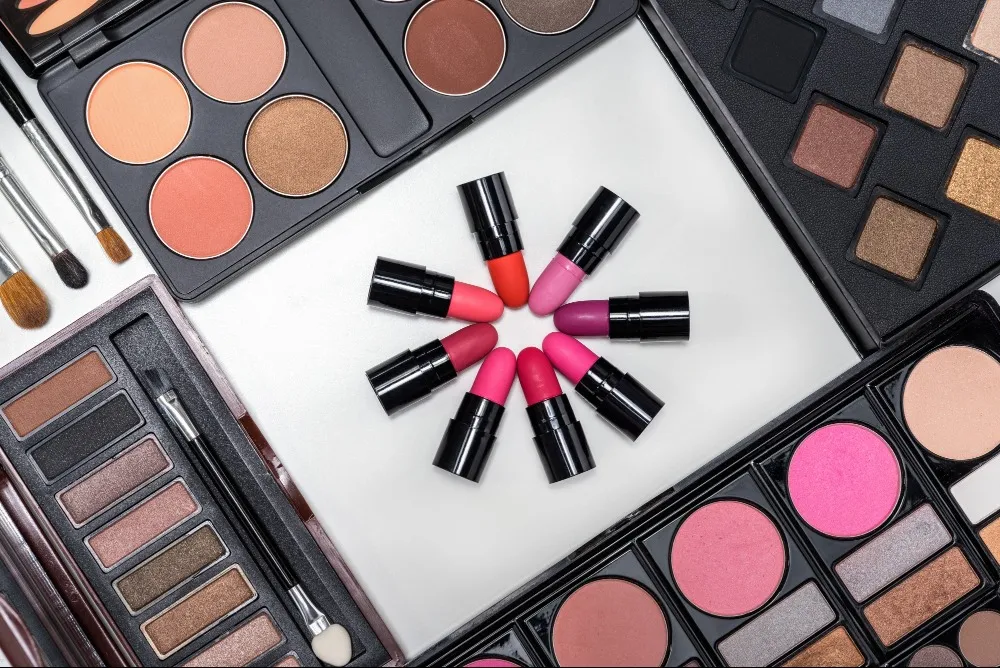
Launching a cosmetic brand involves much more than selecting attractive shades and creating stylish packaging. Every product must be safe, consistent, suitable for the intended customer, and ready for commercial distribution. This is where working with the Best Private Label Makeup Manufacturer in Delhi can make a meaningful difference.
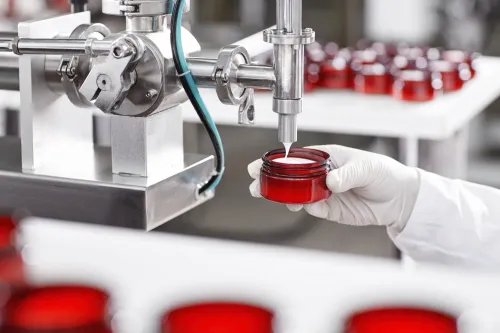
Private label manufacturing allows a business to introduce cosmetics under its own brand without establishing a complete production facility. The manufacturer manages product development and manufacturing, while the brand owner focuses on positioning, distribution, marketing, and customer relationships.
How Private Label Makeup Manufacturing Works
A private label arrangement generally begins with a discussion about the brand’s target audience, product category, preferred price segment, packaging expectations, and expected order quantity.
The process may include:
- Selecting products from an existing formulation range
- Customising shades, textures, finishes, or fragrances
- Evaluating product samples
- Choosing suitable packaging components
- Finalising labels and outer cartons
- Conducting relevant quality checks
- Manufacturing the approved quantity
- Packing the products for distribution
The exact process varies according to the level of customisation required. A startup testing its first lipstick collection may need a different production model from an established distributor expanding into several makeup categories.
Why Delhi Is an Important Cosmetics Market
Delhi offers access to a large network of cosmetic retailers, wholesalers, packaging suppliers, distributors, salons, and beauty professionals. Its connectivity with other parts of the National Capital Region and North India also makes it strategically useful for cosmetic businesses planning regional distribution.
For local buyers, proximity to the manufacturing and packaging ecosystem can make sample evaluation, packaging coordination, and dispatch planning more manageable. However, location should not replace proper evaluation of manufacturing capability and quality practices.
What a Capable Manufacturer Should Provide
A dependable private label partner should be able to explain what can realistically be achieved within the buyer’s budget and order volume. Buyers should look for clarity in areas such as:
- Available makeup categories
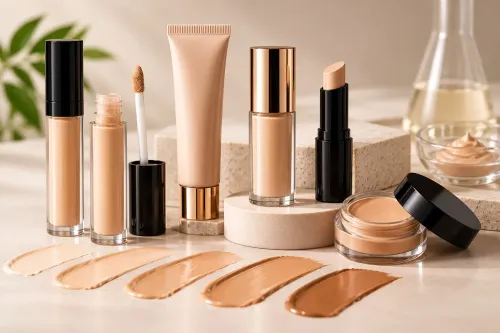
- Formulation and shade options
- Minimum order quantities
- Packaging compatibility
- Sample development
- Production timelines
- Batch consistency
- Labelling requirements
- Testing and documentation
- Dispatch arrangements
Manufacturers should also be transparent about which parts of the product are customisable. Changing a shade in an established formula is usually different from developing an entirely new formulation.
Existing Formulas or Custom Development
Ready-developed formulas can help brands enter the market more quickly. They may also reduce the time and investment required for development and testing. This approach can suit startups, online sellers, wholesalers, and retailers introducing their first branded range.
Custom product development provides greater control over texture, shade, finish, product claims, and customer experience. It may be more suitable for brands with a clearly defined concept or an established customer base.
The right choice depends on:
- The intended launch date
- Available development budget
- Desired product differentiation
- Initial order quantity
- Target retail price
- Long-term range expansion plans
Why Sampling Matters
A sample should be reviewed as a commercial product, not merely as an attractive colour. The buyer should assess application, texture, coverage, finish, wear, fragrance, packaging function, and overall presentation.
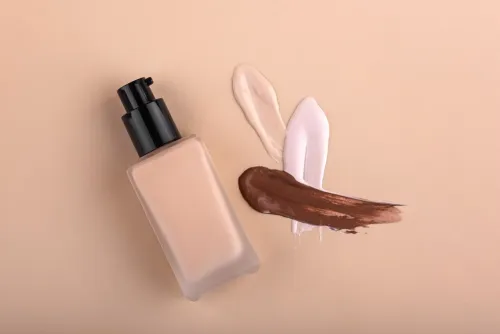
For example, a foundation should be tested for blendability and finish, while a lipstick should be reviewed for glide, colour payoff, comfort, and stability. Packaging should also be checked for leakage, breakage, loose fittings, or applicator concerns.
Sheeba Cosmetics India works within Delhi’s colour cosmetics and private label manufacturing sector, supporting businesses exploring own-brand makeup products. As with any manufacturing partnership, buyers should communicate product expectations and commercial requirements clearly before confirming production.
A strong private label partnership combines product suitability, manufacturing consistency, practical guidance, and dependable communication. When these elements work together, brand owners can build a cosmetic range that is commercially realistic and aligned with the customers they want to serve.
Keywords