Creating a makeup range under a new brand can appear straightforward from the outside. In practice, each product passes through several decisions involving formulation, shades, packaging, pricing, labelling, and production planning.
A Private Label Cosmetic Company Manufacturer in Delhi helps convert a brand concept into products that can be manufactured consistently and presented professionally. Understanding this development process allows cosmetic entrepreneurs to prepare better briefs and avoid unnecessary delays.
The Process Begins with Brand Positioning
Before selecting formulas, the buyer should define where the brand will sit in the market. A mass-market cosmetic line, a salon-focused range, and a premium direct-to-consumer brand may require very different product choices.
Useful questions include:
- Who is expected to purchase the product?
- What concern or preference does it address?
- Where will it be sold?
- What will the likely retail price be?
- What makes it relevant to the intended customer?
- Will the range begin with one hero product or several categories?
These decisions guide the manufacturer when recommending formulations, shades, finishes, and packaging.
Product Category Selection
New brands often try to launch too many items at once. A focused range may be easier to market, finance, and replenish.
A brand can begin with products such as:
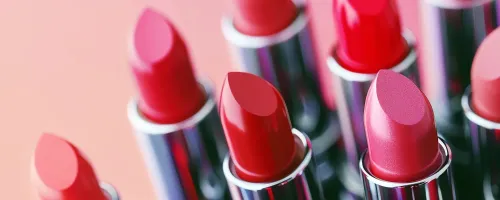
- Bullet lipsticks
- Liquid lipsticks
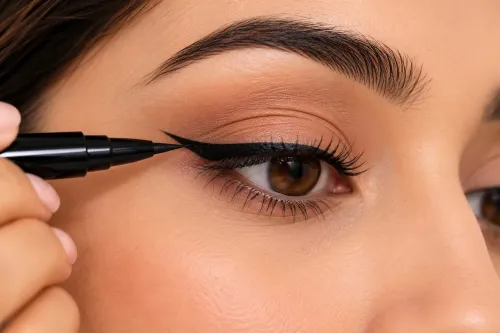
- Kajal
- Eyeliners
- Foundation
- Concealer
- Compact powder
- Blush
- Highlighter
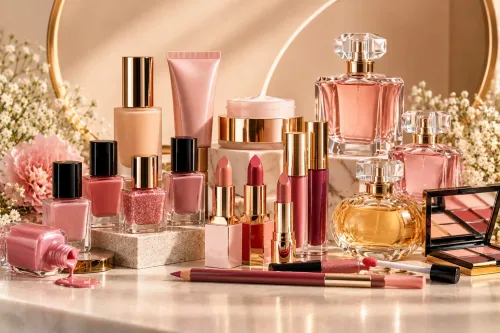
- Other colour cosmetic products
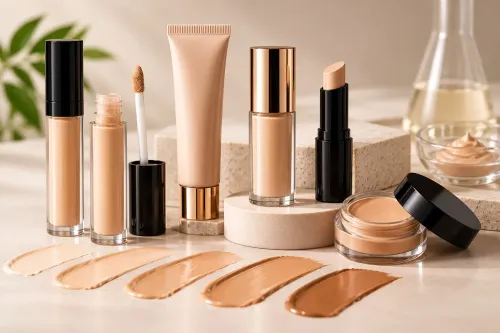
The right starting category depends on demand, brand identity, competitive conditions, and available capital. A lipstick-led range may require several shades, while a complexion range requires careful planning around skin tones and undertones.
Formula Selection and Modification
Private label projects may use existing formulas, modified formulations, or newly developed products. Existing formulations can shorten development time, while customised products can provide greater differentiation.
Possible modifications may include:
- Colour or shade
- Pigmentation level
- Texture
- Finish
- Fragrance
- Coverage
- Application feel
- Product format
Not every modification is technically simple. A change in pigment, oil, wax, or other ingredient can affect stability, texture, filling, and packaging compatibility. Product development should therefore be based on technical feasibility rather than appearance alone.
Sample Review and Approval
Samples create a shared reference between the buyer and manufacturer. They should be tested under realistic conditions and evaluated by people who resemble the intended customer.
Feedback should be documented so that revisions can be tracked accurately. Once a sample is approved, the buyer should confirm whether it represents the final formula, shade, fragrance, and finish.
Repeated changes after approval can affect production schedules and cost. Final decisions should therefore be made before raw materials and packaging are committed.
Packaging and Label Preparation
Packaging is both functional and visual. It must hold the formulation securely, allow convenient application, and support the intended brand image.
Brand owners should coordinate:
- Product name
- Shade name or number
- Net quantity
- Ingredient information
- Batch and manufacturing details
- Usage instructions where relevant
- Required declarations
- Brand artwork
- Outer carton design
Professional legal or regulatory guidance may be appropriate when finalising labels and commercial claims.
Pilot Orders and Range Expansion
A controlled first order can provide useful information about demand, shade preferences, customer feedback, and packaging performance. Rather than assuming every colour will sell equally, businesses can use initial sales data to plan replenishment.
Sheeba Cosmetics India works with B2B buyers exploring private label makeup manufacturing in Delhi. Clear product specifications, written approvals, realistic timelines, and coordinated packaging decisions can help make such projects more efficient.
A successful cosmetic range is rarely created through one isolated choice. It results from a sequence of connected decisions, each aligned with the brand’s customer, price point, sales channel, and long-term direction.
Keywords