Custom makeup manufacturing gives cosmetic businesses greater control over how a product looks, feels, applies, and performs. It can help a brand build a distinct identity, but it also involves more technical decisions than selecting a ready-developed private label product.
Before approaching a Custom Makeup Manufacturer in Delhi, brand owners should understand what can be customised, how samples should be evaluated, and which decisions influence development time and cost.
What Customisation Can Include
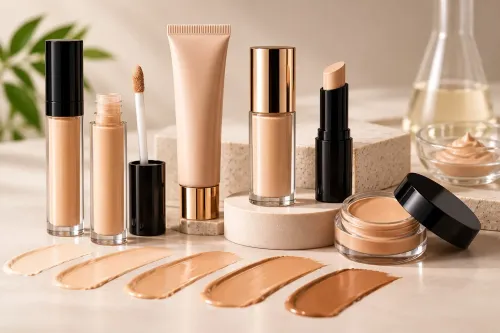
Customisation does not always mean creating every formula from the beginning. It may involve modifying an existing base, developing a unique shade range, selecting a different finish, or pairing a formulation with brand-specific packaging.
Depending on feasibility, customisation may cover:
- Shade and undertone
- Pigment intensity
- Coverage
- Texture
- Gloss or matte finish
- Fragrance
- Application feel
- Drying time
- Product format
- Packaging and applicator
The greater the difference from an existing product, the more development and evaluation may be required.
Start with a Precise Product Reference
Brand owners often describe products using broad words such as premium, smooth, natural, or long-lasting. These terms can mean different things to different people.
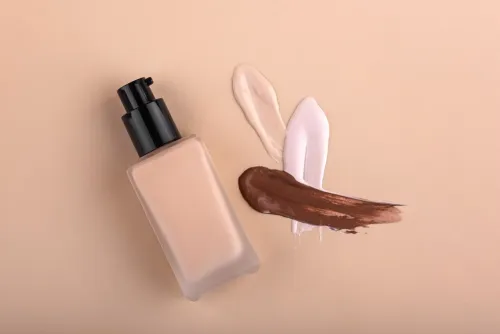
A stronger brief explains the expected user experience. For example, a foundation brief might request medium buildable coverage, a soft-matte appearance, easy blending, and shades suited to selected undertones. A liquid lipstick brief might describe the required pigmentation, drying time, transfer behaviour, and comfort.
Reference samples can help communicate preferences, but businesses should avoid asking manufacturers to copy another brand exactly. The objective should be to identify desirable characteristics and develop a product appropriate for the new brand.
Plan Shades as a Collection
Each shade should fit the overall range and serve a clear customer need. Launching numerous similar shades can increase inventory without improving customer choice.
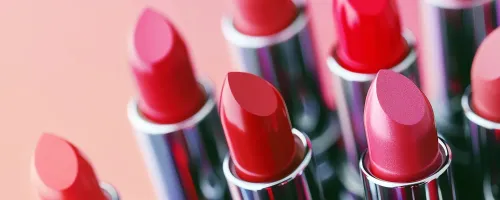
For lip products, brands can consider a combination of everyday neutrals, deeper tones, brighter colours, and shades suited to regional preferences. Complexion products require more careful attention to depth and undertone.
In Delhi’s diverse beauty market, brands may need to evaluate whether their shade range serves the actual customers reached through their retail, wholesale, or online channels.
Test More Than Appearance
A visually appealing swatch does not reveal the complete performance of a product. Samples should be assessed over time and under realistic conditions.
Evaluation may include:
- Ease of application
- Blendability
- Colour payoff
- Layering
- Drying or setting
- Comfort
- Wear appearance
- Removal
- Fragrance acceptability
- Packaging function
Feedback from a small but relevant test group can be more useful than relying on one person’s preference.
Understand Packaging Compatibility
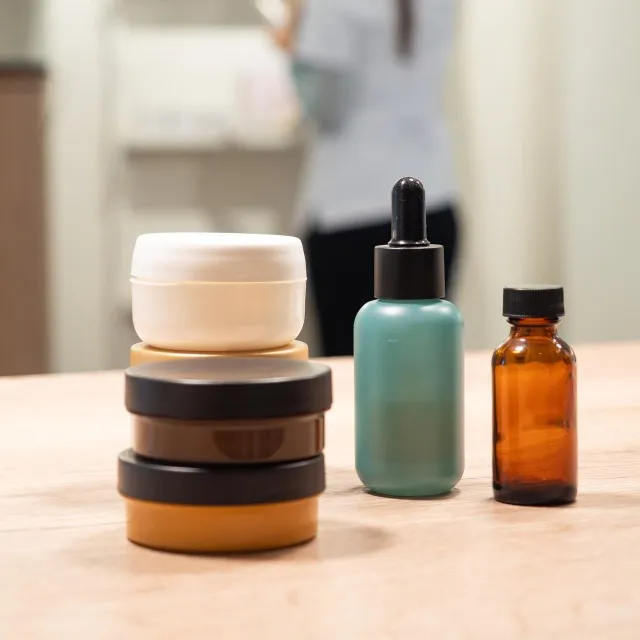
A formula and package must work as a system. A thick product may not perform well with a narrow applicator, while a volatile formulation may require a secure closure.
Changes to the container can affect filling, usage, stability, and transport performance. Packaging should therefore be considered during development rather than selected only after the formula is approved.
Allow Time for Revisions
Custom development often requires more than one sample. Buyers should build decision time into the launch schedule and avoid requesting unnecessary revisions after final approval.
It is helpful to nominate one authorised person to consolidate feedback. Conflicting instructions from multiple stakeholders can make development slower and less accurate.
Sheeba Cosmetics India provides colour cosmetic manufacturing options for businesses seeking custom and private label products in Delhi. A productive discussion should cover the desired formula, shade plan, packaging, quantity, target cost, approval process, and expected timeline.
Custom manufacturing works best when creativity is supported by a disciplined brief. Clear specifications, organised testing, documented approvals, and realistic commercial planning help turn a creative idea into a reproducible makeup product.
Keywords