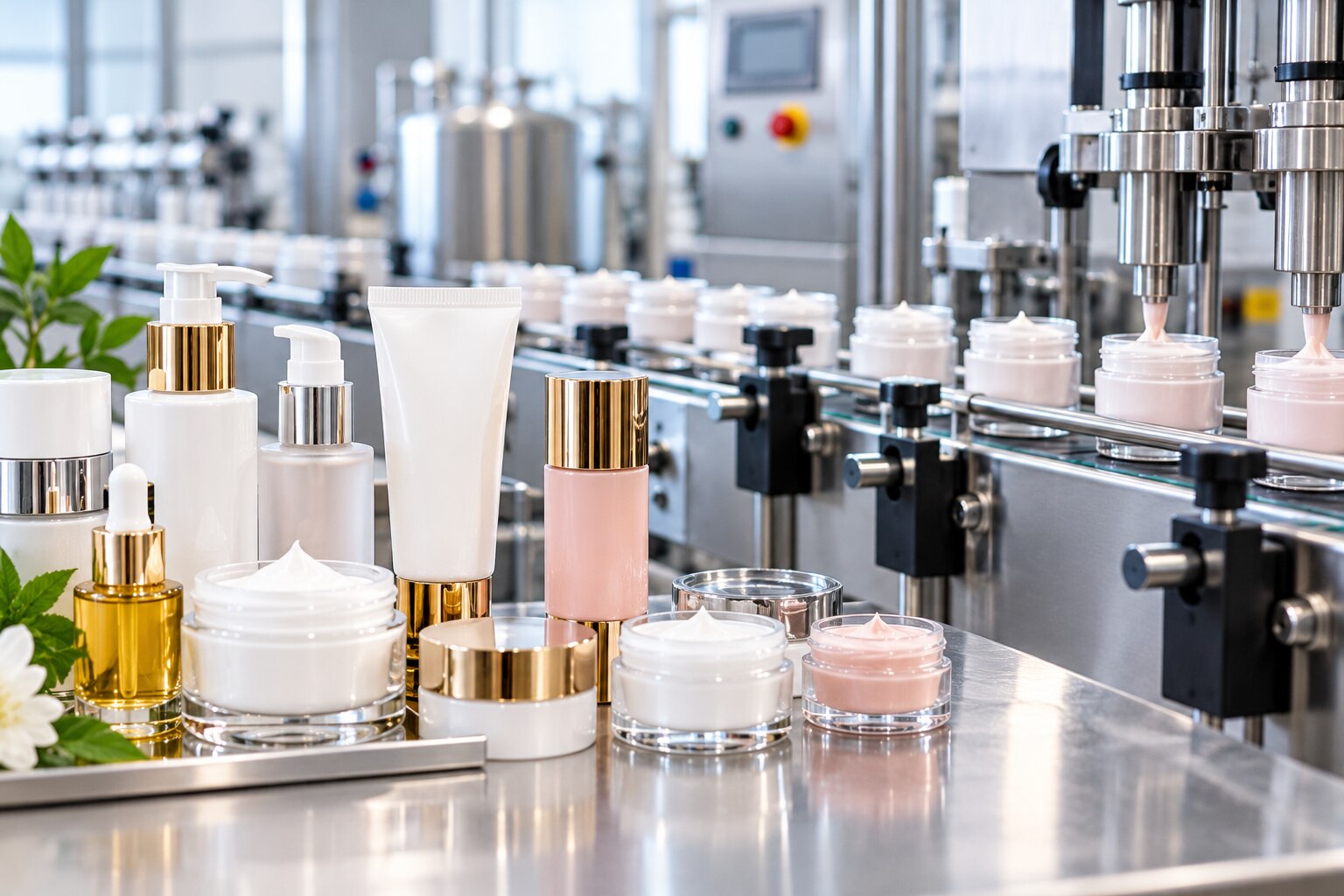
A quoted production date is not the same as the date your finished cosmetics can ship. You will learn how to map every approval, material, production and release gate, assign ownership for each deadline, and compare Delhi manufacturers on a like-for-like basis.
Key takeaways
- Count turnaround after formula, packaging, artwork, PO and regulatory documents are closed.
- Ask for start dates, end dates and exclusions—not only a promised delivery date.
- Track shades and packaging as separate critical paths with named owners.
- Reserve time for quality release and transport before committing to launch dates.
Map the full turnaround before accepting a production date
Count the turnaround from the day five gates are closed—not from the purchase-order date: formula and shade approval, packaging availability, final artwork approval, confirmed PO, and release of regulatory documents. Add the longest critical path, quality release, and transport to calculate the real delivery date.
| Stage | Delay trigger | Date to count |
|---|---|---|
| Brief and sampling | Formula changes, shade matching, or late first-sample approval | From approved sample to formula sign-off |
| Inputs and packaging | Missing pigments, pans, pumps, cartons, labels, or shade stickers | From each item’s committed arrival to inspection approval |
| Production | Minimum-order scheduling or a missed manufacturing slot | From bulk-production start to completed filling |
| Quality release | Testing capacity, failed checks, rework, or review of batch documents | From finished packing to commercial release |
| Dispatch | Partial SKU acceptance, delivery address changes, or transport booking | From release to receipt at your address |
For the beauty product manufacturing turnaround in Delhi, do not assume every input comes from the stated factory. Ask for the committed location and arrival date of each critical component, pigment, printed pack, external test, and transport leg across Delhi/NCR.
Map parallel work separately, then use the latest finishing date as your delivery baseline. Add contingency for imported pigments, effect powders, custom moulds, and decorated packaging; hold approved safety stock when the cost permits. Unapproved substitutes create fresh quality and regulatory delays.
Put buyer approval times, change control, partial deliveries, packaging-defect acceptance, batch-release documents, and dispatch responsibility in the PO. This exposes third party beauty manufacturer delays in Delhi before a promised date becomes a missed date.
Close every pre-production gate with a controlled document set
To avoid third party beauty manufacturing delays in Delhi, release work only after five pre-production gates are closed and recorded. A purchase order alone is not a start signal if the shade, carton, or regulatory file is still moving.
1. Approve the formula and every shade against a signed sample, shade name, colour standard, target fill weight, ingredient restrictions, claims, and pack size. Record the approved version number; later formula changes must trigger a new review.
2. Confirm packaging-component availability and inspection status for every jar, pan, wand, pump, closure, carton, label, and shade sticker. Count accepted quantities, not supplier promises, and record the agreed packaging-defect criteria.
3. Approve final artwork as a controlled proof. Separately approve the variable data for batch number, manufacturing date, expiry or use-before date, manufacturing-licence details, net contents, and other declarations required under the Cosmetics Rules, 2020 and applicable Legal Metrology requirements.
4. Issue a purchase order that names the material-ready, manufacturing-complete, and commercially releasable or dispatch dates. Define approval response times, partial-SKU or shade deliveries, change control, acceptance criteria, and who pays for rework.
5. Release the regulatory and quality file: product specifications, approved raw-material and packaging specifications, test plan, delivery address, and required licences or declarations. State which tests are in-house and which use an external laboratory, plus the batch-release documents supplied at dispatch.
The manufacturer can then reserve materials, filling capacity, testing capacity, and quality review against one controlled set rather than email versions that quietly conflict.
Compare quotations by their start date, end date and exclusions
A quotation is comparable only when its start and finish are defined in writing. A promise counted from purchase-order receipt often covers bulk manufacturing alone, leaving sampling, packaging procurement, quality release and transport outside the date.
| Milestone | Included in a complete turnaround | Exclusion that creates delay |
|---|---|---|
| Start date | Formula and shade approval, packaging availability, final artwork, purchase-order confirmation and regulatory documents released | PO date used before these five gates are complete |
| Production scope | Sampling, shade approval, raw-material purchasing, filling and packing | “Manufacturing” meaning only bulk mixing or pressing |
| End date | Manufacturing complete, testing passed, quality review signed, documents prepared and goods dispatched | Filling-line completion treated as delivery |
| External dependencies | Component locations, laboratory testing, transport and committed dates identified | Factory location presented as the date for every input |
| Commercial terms | Partial-SKU delivery, artwork changes, packaging-defect limits and buyer response times defined | Rework, rejected components or late approvals left unpriced |
Ask the manufacturer to place three dates on the quotation: material-ready, manufacturing-complete and commercially releasable or dispatch. The final date must include in-process and finished-product testing, reconciliation, packing inspection, batch-record preparation and transport to your delivery address.
Request a written exclusions list covering sampling rounds, shade matching, printed components, external laboratory testing, quality-release documents, rework and freight. Confirm which tests run in-house and reserve laboratory capacity before filling. This is the practical way to reduce beauty brand production delays in Delhi; removing quality release only moves the delay to finished-goods storage.
Treat shades and packaging as separate critical paths
A shade approval and a packaging delivery are different risks, so putting them on one production schedule hides the real delay. Pigment matching can require several sample rounds; packaging can fail later because pans, pumps, wands, closures, cartons, labels or shade stickers are short, damaged or awaiting inspection.
| Path | Typical failure | Evidence to request |
|---|---|---|
| Shade | Colour drift, settling or an unapproved match | Approved master sample, shade code and batch-level acceptance method |
| Packaging | Late components, decoration defects or poor formula compatibility | Supplier, quantity, inspection status and committed arrival date |
For urgent third party beauty production in Delhi, ask for dates for each critical input, not only the factory’s production date. Delhi/NCR supply chains can place pigments, printed packs, testing and transport at separate locations.
Ask the manufacturer:
- Does the quoted date begin after formula and shade approval, component availability, final artwork, purchase-order confirmation and regulatory-document release?
- Which supplier and NCR location will provide each critical component, and what is its committed arrival date?
- Who checks incoming packs, and what happens if cartons, labels or closures fail inspection?
- Can you hold approved spare packaging, imported pigments or effect powders, and what specification controls the reserve?
- Has the formula been tested with this exact container, pump, wand or closure for leakage, migration, odour, colour drift and settling?
- What manufacturing licence or loan-licence arrangement covers these products and premises?
SHEEBA COSMETICS INDIA can be assessed on these specific commitments rather than on a broad promise of end-to-end production. A fast filling trial does not replace stability or packaging-compatibility evidence for the commercial pack.
Related products
 | Third Party Makeup Manufacturer Third Party Makeup Manufacturer Third Party Makeup Manufacturer in Delhi – Sheeba Cosmetics Sheeba Cosmetics is a trusted Third Party Makeup Manufacturer in Delhi, offering... View product → |
 | Third Party Beauty Product Manufacturer Third Party Beauty Product Manufacturer Third Party Beauty Product Manufacturer in India – Sheeba Cosmetics Sheeba Cosmetics is a trusted Third Party Beauty Product Manufacturer in India,... View product → |
Control changes, quality release and dispatch with named owners
Do not put the filling-line date on the customer promise: dispatch starts only after quality release, reconciliation, packing inspection and batch documents are complete. Record each milestone separately. This structure helps avoid third party beauty manufacturing delays in delhi and exposes beauty brand production delays in delhi before they reach the launch date.
| Milestone | Named owner and evidence | Decision |
|---|---|---|
| Material-ready | Procurement owner confirms approved formula inputs and inspected packaging are available | Production may be scheduled |
| Manufacturing-complete | Production owner confirms batch records, in-process checks and filled quantities | Quality review may begin |
| Commercially releasable/dispatch | Quality owner approves test results, reconciliation, pack inspection and release documents; logistics owner confirms shipment details | Goods may leave the site |
Use a written change-control log after production begins. No formula, shade, artwork, component or quantity change enters the batch through an informal message.
- Brand owner: approves or rejects changes within the response time stated in the purchase order.
- Production owner: records the affected batch, line plan, quantity and revised completion date.
- Procurement owner: checks replacement materials, imported pigments and critical packaging against the approved specification and incoming-inspection plan.
- Quality owner: decides whether testing, deviation review, rework or a new approval is required.
- Logistics owner: releases only the approved SKUs and issues the agreed batch documents.
Define partial-shade delivery, packaging-defect acceptance, external-laboratory testing, and the exact start and end of turnaround in the purchase order. Reserve laboratory capacity before filling, not after finished goods are waiting on hold.
Frequently asked questions
When should you start counting a beauty product manufacturing turnaround in Delhi?
Count from the day formula and shade approval, packaging availability, final artwork approval, confirmed purchase order and regulatory document release are all complete.
What should you compare in third-party beauty manufacturing quotations?
Compare the production start date, completion date, included activities and exclusions, including artwork, packaging procurement, testing, quality release and transport.
Why should shades and packaging have separate timelines?
A shade approval delay can hold production while packaging follows another supplier or approval path. Track each as a critical path and use the later completion point for planning.
Who should control changes, quality release and dispatch?
Assign a named owner to each stage, record every approved change, obtain quality release before dispatch and confirm the carrier, handover date and delivery address.
Related products
 | Third Party Colour Cosmetics Manufacturer Third Party Colour Cosmetics Manufacturer Third Party Colour Cosmetics Manufacturer in Delhi – Sheeba Cosmetics Sheeba Cosmetics is a trusted Third Party Colour Cosmetics Manufacturer in... View product → |
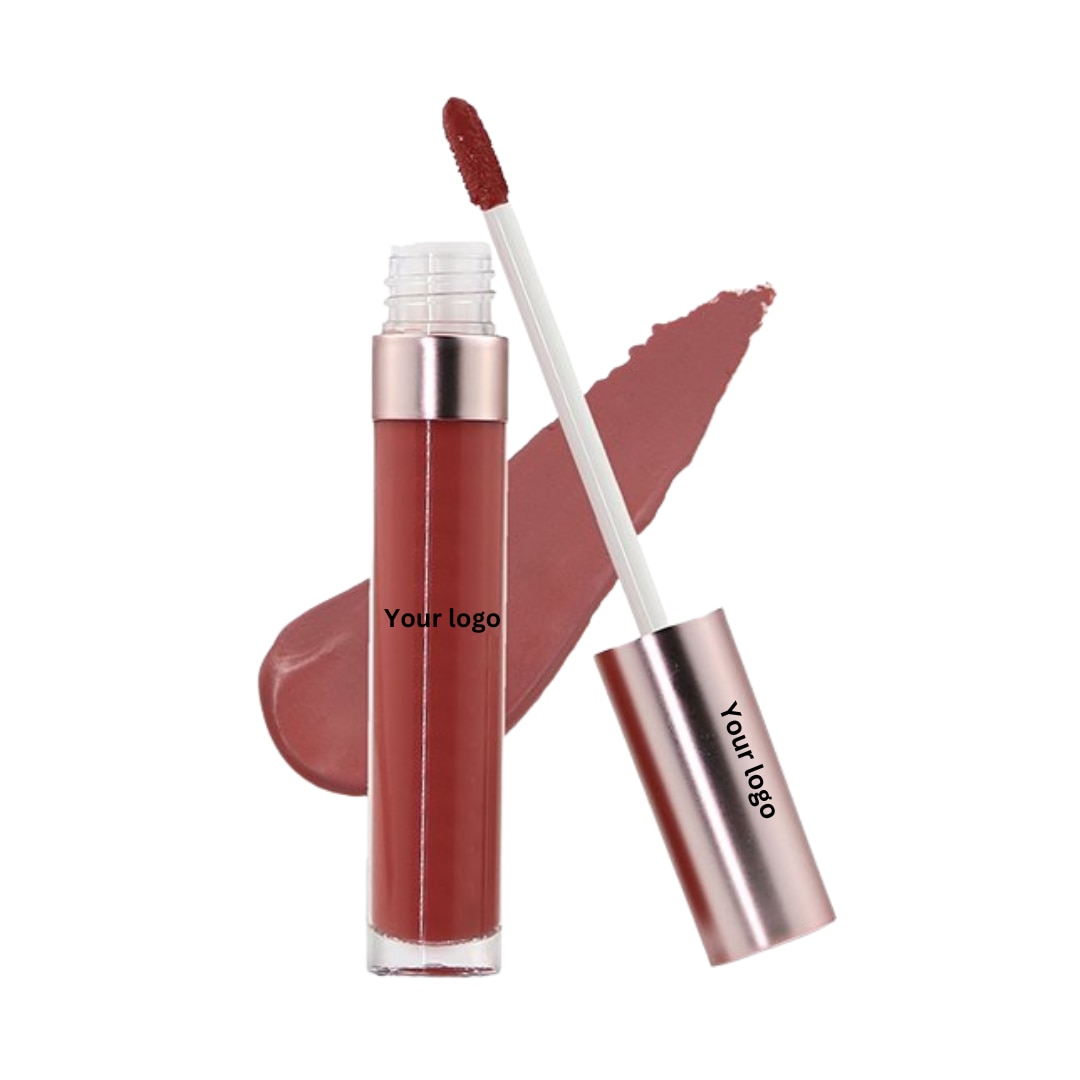 | Third Party Cosmetic Production Services Third Party Cosmetic Production Services Third Party Cosmetic Production Services in Delhi – Sheeba Cosmetics Sheeba Cosmetics is a trusted provider of Third Party Cosmetic Production... View product → |
Keywords